How to Play With Your Cat the Right Way (Most Owners Get This Wrong)
I visit homes with cats who are destructive, aggressive, incessantly vocal, overweight, or chronically anxious. In a striking number of these cases, increasing the quality and frequency of play produces significant improvement across all those issues simultaneously. Play is not a luxury or an entertainment extra. For cats, it’s a biological need tied to predatory drive, cognitive engagement, physical exercise, and emotional regulation. Getting it right changes outcomes.
What Play Does for a Cat
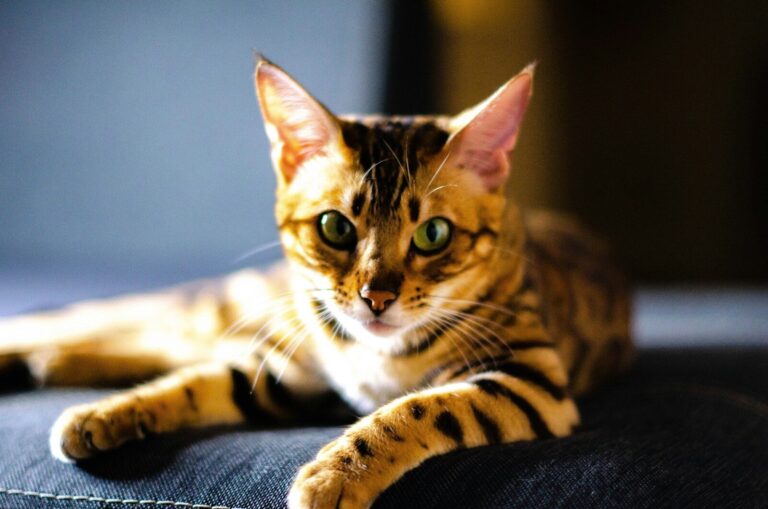
Domestic cats retain the full predatory behavioral sequence of their wild ancestors even though they no longer need to hunt to eat. The sequence — orient, stalk, chase, pounce, grab, bite, kill, consume — is wired into their neurology and needs expression. When it doesn’t get expression, cats find their own outlets: attacking feet, destructive behavior, redirected aggression, or simply restless, unfocused energy. Structured play provides the outlet. A cat who has just completed a satisfying hunting sequence — even a simulated one with a toy — is a settled, content animal.
The Right Tools
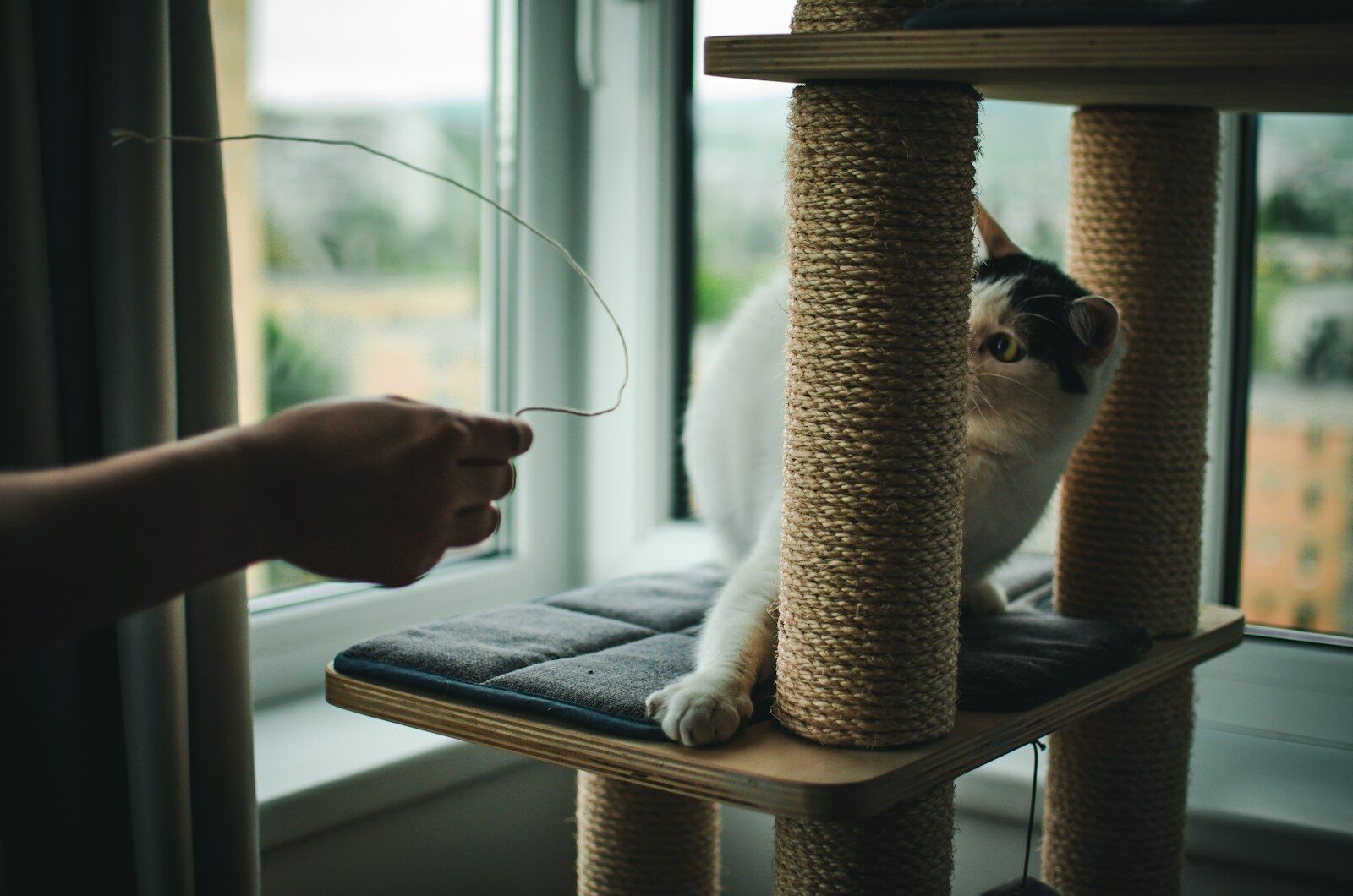
Wand toys with feathers, ribbons, or other attachments are the gold standard for interactive play. They allow you to create realistic prey-like movement at a safe distance from your hands and body. Dangling a toy mouse from a wand and moving it like a fleeing animal activates the full predatory sequence in a way that throwing a ball across the room doesn’t.
The specific movement patterns matter significantly. Prey doesn’t fly toward a predator. It runs away, hides, freezes, darts unpredictably, and occasionally moves slowly. Vary the speed, direction, and pattern of movement. Allow the toy to “hide” behind furniture legs and reappear. Let it freeze briefly, then burst into movement. These patterns keep the cat engaged and generate genuine hunting intensity.
The Critical Element Most Owners Skip: The Catch
This is the most important thing I want to convey about cat play, and it’s something most owners either don’t know or don’t do consistently: every play session must end with the cat catching and “killing” the prey. End the session by slowing the toy to minimal movement, letting the cat pounce on it, and hold it still while they grab, bite, and wrestle. Then immediately offer a small treat, which mimics the “meal” after a successful hunt.
A play session that ends with the prey escaping — the wand whipped away into a drawer while the cat is mid-pursuit — leaves the predatory sequence incomplete. Physiologically, this produces frustration and heightened arousal, not the relaxed satisfaction that complete play provides. I’ve worked with cats described as “manic after play” who were simply never getting the satisfaction of completing the hunt. Fix the ending, and the post-play behavior transforms completely.
Duration and Frequency
Twice daily is ideal: one session in the morning and one in the evening. Each session should be ten to fifteen minutes. This is often more than most owners currently do, but it’s not an enormous time commitment for the behavioral benefit it produces.
The evening session should happen before your own bedtime and is particularly important for cats who wake you up in the early morning with demanding behavior. A cat who has just had a satisfying hunt and been fed (mimicking the natural eat-after-hunt sequence) will often sleep contentedly for hours. I’ve solved “my cat wakes me up at 4 AM” complaints with nothing more than an evening play session followed by a meal. Reliably.
Toy Rotation and Novelty
Don’t leave all toys out permanently. Cats’ interest in familiar objects decays quickly — a toy that’s been on the floor for two weeks is invisible to them. Rotate toys so that two to three are available at a time, swapping others in and out from a stored collection. Storing toys in a bag with a sprinkle of catnip restores novelty. When a toy “reappears” after a few weeks away, it gets investigated with genuine curiosity.
Puzzle Feeders as a Play Format
For cats who are food-motivated, puzzle feeders and food toys extend the cognitive engagement of play into the feeding routine. A cat who has to work physically and mentally for their food is getting enrichment that goes beyond interactive play, and the foraging behavior engages different aspects of the predatory repertoire. Rotating puzzle feeders of varying difficulty levels keeps the cognitive challenge fresh.
Play and Multicat Households
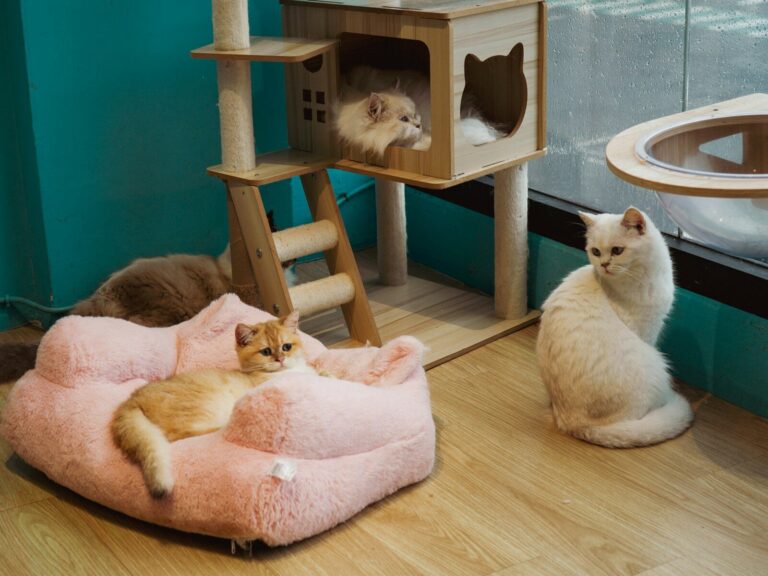
In multi-cat homes, play dynamics can be complicated by inter-cat competition. Some cats play together beautifully; others become competitive or stressed during shared play sessions. Individual play sessions — separating cats by room for their dedicated play time — ensures that each cat gets full engagement without the tension of resource competition. Observe carefully how your cats interact during play and adjust accordingly.
When Play Isn’t Happening
A cat who has lost interest in play warrants investigation. Sudden disinterest in play that was previously engaged in is often an early sign of illness, pain (particularly arthritis in older cats), or depression secondary to environmental stressors. If your cat used to engage enthusiastically with a wand toy and now ignores it, that change in behavior is information, not just personality. A veterinary evaluation and environmental audit are appropriate responses.