How to Groom Your Cat at Home Without Stress or Scratches
I get called in fairly regularly to help owners who describe their cats as “impossible to groom.” What I almost always find is not an impossible cat — it’s a cat who has had grooming associated with restraint, discomfort, and struggle, and has logically decided to resist it. The good news is that this history can almost always be reversed with the right approach. The even better news is that if you’re starting fresh with a kitten or a cat who hasn’t yet had negative grooming experiences, you can build lifelong cooperation from the start.
Why Regular Grooming Matters
Beyond aesthetics, grooming serves real health functions. Regular brushing reduces shedding and the ingestion of loose hair (which causes hairballs), allows you to spot lumps, skin conditions, parasites, and wounds early, and maintains coat quality. Nail trimming prevents overgrown nails that can curve into the paw pads. Dental home care — the hardest to establish — can dramatically reduce the frequency and severity of professional cleanings under anesthesia.
The Foundation: Desensitization to Touch
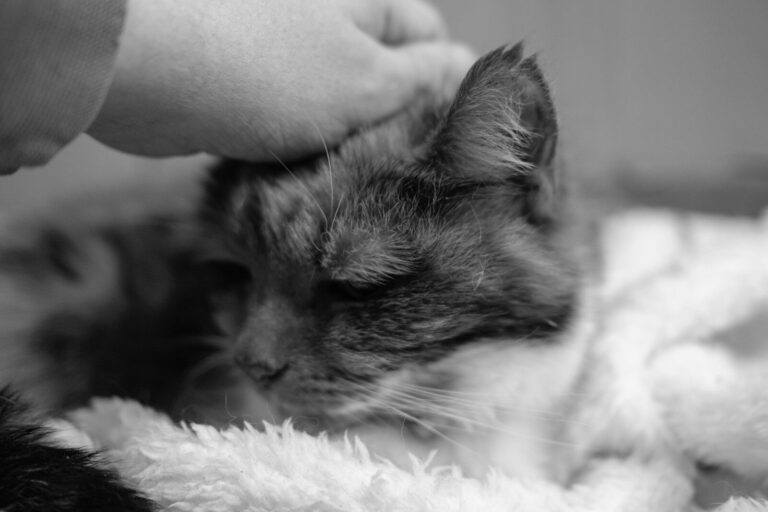
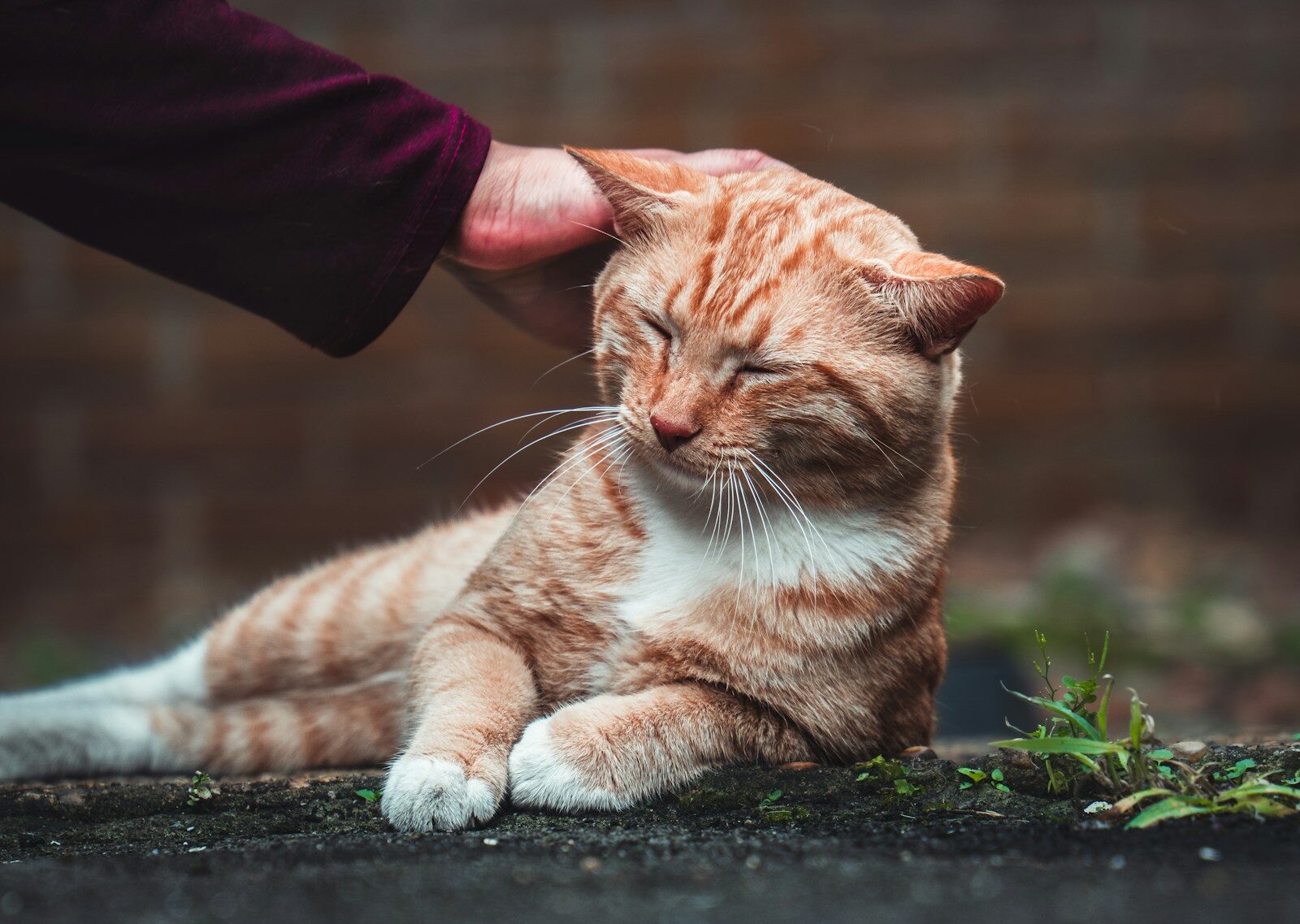
If your cat is resistant to grooming, the starting point is not the brush or the nail clippers — it’s your hands. The goal is to get the cat comfortable being touched all over their body, including sensitive areas (paws, belly, ears, face), before introducing grooming tools.
Do this in short, calm sessions during moments when the cat is already relaxed — lounging after a meal, settling in for a nap. Stroke the body in the direction the cat enjoys, then briefly touch a paw, then return to comfortable stroking. A small treat after the paw touch. Gradually, over days and weeks, extend the duration and increase the handling of sensitive areas. No reaching, no grabbing, no restraint. Always work at the cat’s pace and end before they show irritation signals.
Brushing and Combing
Short-Haired Cats
Once or twice weekly brushing is adequate for most short-haired cats. A rubber curry brush or a fine-toothed metal comb works well. Brush in the direction of coat growth, then against it to remove dead undercoat. Most short-haired cats enjoy brushing once they’re accustomed to it — the sensation is similar to a cat grooming another cat, and it can be genuinely pleasant for them.
Long-Haired Cats
Daily brushing is necessary for long-haired breeds. Persians, Maine Coons, Ragdolls, and similar cats mat quickly in areas of friction — behind the ears, under the “armpits,” around the collar, and at the base of the tail. A wide-toothed metal comb for initial detangling, followed by a slicker brush, is the standard approach. Never try to pull through a mat — work from the outside edges of the mat inward, or use a mat splitter. Serious mats often require professional grooming or veterinary intervention (sedation is sometimes necessary for very matted cats, and it’s not worth injuring a cat for the sake of a mat).
Nail Trimming
This is the grooming task most owners dread most, and yet with the right approach, most cats tolerate it very well once accustomed.
Use purpose-made cat nail clippers — guillotine style or scissor style, whichever you find more ergonomic. Sit the cat in your lap or on a stable surface. Hold the paw gently, press lightly on the pad to extend the nail. You can see the pink quick through the clear nail — cut the clear tip, staying several millimeters from the pink. If your cat has dark nails where the quick isn’t visible, cut only the hooked tip.
Don’t try to do all four paws in one session initially. Do one paw, reward lavishly, end the session. Build up to all four over multiple sessions. A cat who has learned that nail trimming means treat time will often extend their paws toward you with minimal protest. I’ve seen this — cats who once required two people to hold them becoming cooperative after a few weeks of this approach.
Trim every two to three weeks for indoor cats, less frequently for cats who wear down nails outdoors.
Ear Cleaning
Check ears weekly for dark discharge, excessive wax buildup, redness, or odor — any of these warrant a vet visit. Routine cleaning, if needed, involves a purpose-made cat ear cleaner, a cotton ball, and gentle wiping of the outer ear only. Never insert anything into the ear canal. Many cats don’t require regular cleaning beyond inspection — do it only if there’s visible buildup.
Dental Home Care
The hardest to establish, the most impactful for long-term health. Brushing a cat’s teeth prevents periodontal disease, which by age three affects most cats. Use a soft-bristled finger brush or specialized cat toothbrush and enzymatic cat toothpaste — never human toothpaste, which contains xylitol and fluoride at levels toxic to cats.
The introduction process takes weeks. Start by letting the cat lick the toothpaste off your finger. Then rub paste along the gum line with a finger. Then introduce the brush. Ideally, daily brushing; even three times weekly produces significant dental benefit. If brushing is truly unachievable, dental chews formulated with the VOHC (Veterinary Oral Health Council) seal are the next best option.
Bathing
Most cats don’t need baths. They are self-cleaning animals with effective grooming instincts. The main situations requiring baths: exposure to a toxic substance that can’t be licked off safely, severely matted coats, heavy flea infestations, or certain skin conditions.
When a bath is necessary: use a purpose-made cat shampoo (no human shampoos), lukewarm water, and approach the whole thing slowly. Wet the coat from the neck back — keep the head dry initially. Rinse thoroughly; residual shampoo causes skin irritation. Have towels ready and dry gently, keeping the cat warm afterward. A hairdryer on the lowest, coolest setting with constant movement can help, but many cats find the noise distressing. A warm room is often sufficient.
When to Seek Professional Help
Professional groomers experienced with cats handle matted coats, difficult temperaments (often through less-is-more approaches), and cats who require sedation for grooming. There’s no failure in using professional help — knowing when a task is beyond what you can safely do at home is good judgment, not a weakness. The goal is that your cat’s grooming needs are met without stress or injury, by whatever combination of home care and professional service achieves that.