Choosing the Right Cat Breed for Your Lifestyle
I’ve worked with a significant number of cats who were genuinely mismatched with their owners — not because anyone was wrong or bad, but because the breed’s inherent temperament and energy level were incompatible with what the owner’s lifestyle could support. A highly active, demand-oriented breed with a very busy, often-absent owner creates mutual frustration and often behavioral problems. Getting the breed match right from the start is one of the highest-leverage decisions a new cat owner can make.
Understanding Breed Temperament vs. Individual Variation
Breed temperament profiles are real and useful starting points, but they describe population tendencies, not individual guarantees. A sociable breed will trend toward sociability, but individual cats within that breed vary. The most reliable approach is to understand breed tendencies well, then evaluate individual temperament through time with the specific cat before committing, when possible.
High-Energy, Highly Social Breeds
Abyssinian: One of the most active, curious, and athletic cat breeds. Abyssinians need significant daily engagement — they will find their own entertainment if you don’t provide it, and their version of entertainment may not align with yours. Excellent for active owners who enjoy interaction; potentially problematic for owners who want a calm, independent companion.
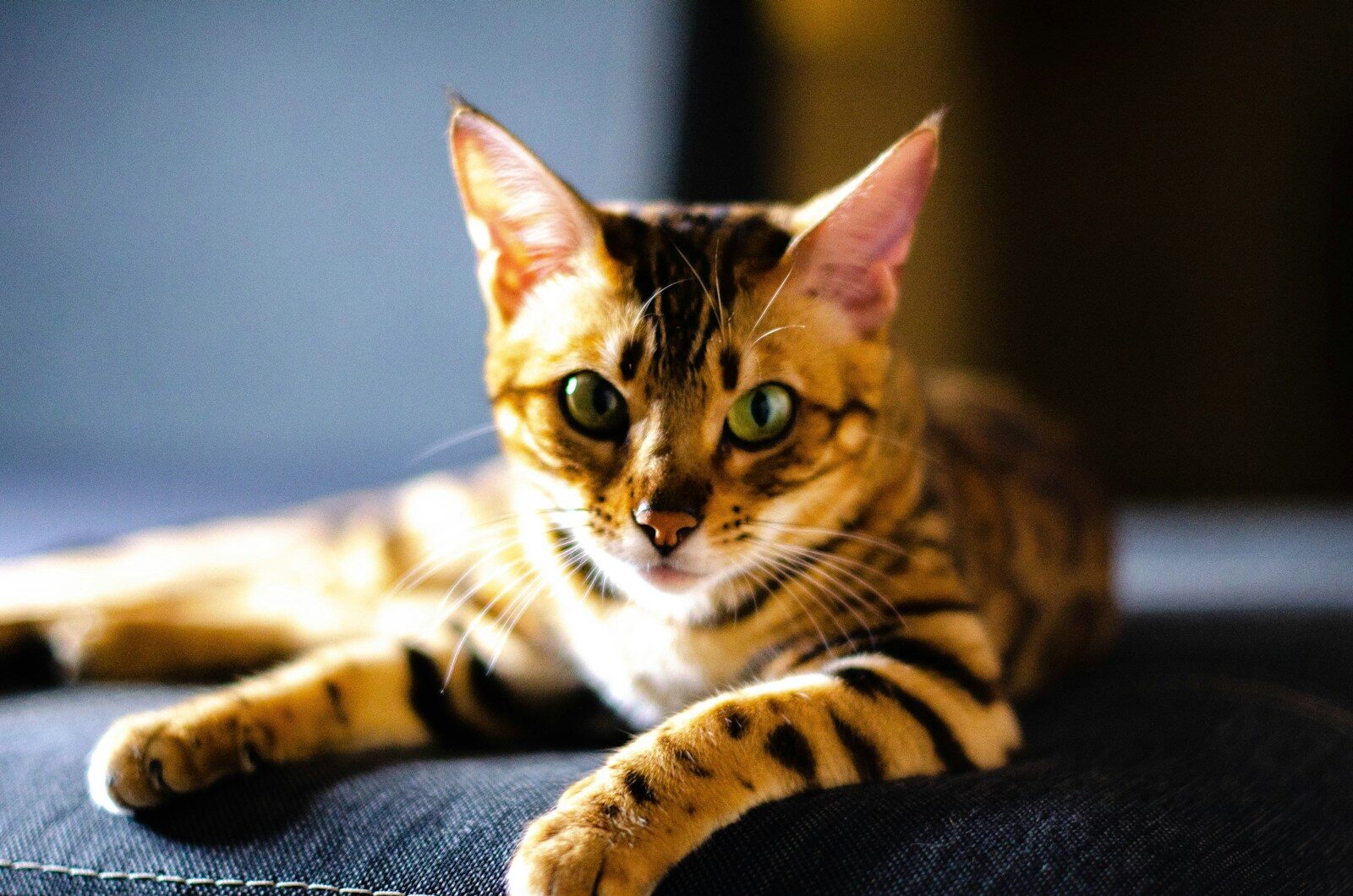
Bengal: Large, athletic, visually striking, and extremely energetic. Bengals retain strong prey drive and need substantial stimulation. They require more active management than most breeds and are not suitable as a “first cat” for most owners. In the right hands — experienced owners who actively engage with them — they are extraordinary animals. In the wrong hands, they become destructive and miserable.
Siamese and Oriental breeds: Highly vocal, highly social, extremely people-oriented. Siamese will tell you about their day, their opinions on your choices, and their displeasure at being alone. They genuinely need company — another cat or a very present owner. Not a suitable breed for long work days and minimal interaction.
Moderate Energy, Adaptable Breeds
Maine Coon: Large, gentle, playful but not demanding. Maine Coons tend to be affectionate without being clingy, adaptable to varied household activity levels, and generally good with children and other pets. They require regular grooming due to their coat but are otherwise relatively straightforward to keep. One of my most recommended breeds for families.
Ragdoll: Named for their tendency to go limp when held, Ragdolls are typically calm, patient, and tolerant. They tend to be less active and more relaxed than many breeds, making them well-suited for quieter households. They are genuinely social and prefer to be near their people. Not ideal for owners who want minimal interaction.
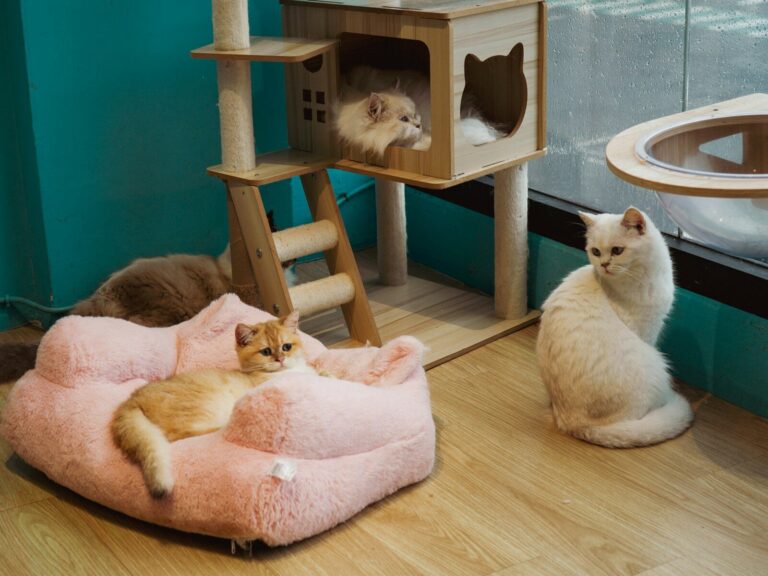
British Shorthair: Calm, adaptable, independent without being cold. British Shorthairs are comfortable with periods of solitude and don’t tend toward the demanding vocalization of Siamese or the hyperactivity of Bengals. A reliable, steady breed for a wide range of owners.
Lower Energy, Independent Breeds
Persian: Quiet, calm, luxurious. Persians are not an active breed and are well-suited to quieter households. The coat maintenance commitment is significant — daily brushing is not optional — and their flat facial structure makes them prone to specific health issues (dental crowding, eye drainage, breathing difficulty) that should be factored into the decision. Seek out breeders who prioritize health over extreme facial structure.
Russian Blue: Gentle, reserved with strangers, deeply bonded to their own family. Russian Blues are not immediately social with unfamiliar people but are deeply affectionate with those they trust. They do well in calm environments and are a good choice for owners who prefer a quieter, more reserved companion.
Health Considerations by Breed
Certain breeds carry elevated risk for specific conditions. Maine Coons and Ragdolls have elevated HCM (hypertrophic cardiomyopathy) rates — genetic testing and regular cardiac monitoring are important. Persians and Exotic Shorthairs have brachycephalic (flat-faced) anatomy with associated respiratory and dental concerns. Polycystic kidney disease has been prevalent in Persian lines. Scottish Folds have a skeletal disease (osteochondrodysplasia) that causes chronic joint pain — a condition inherent to the genetics that produce the folded ear, which is why many veterinary organizations advise against supporting this breed. Research breed-specific health issues before deciding, and seek reputable breeders who health-test their breeding cats.
Rescue and Mixed Breeds
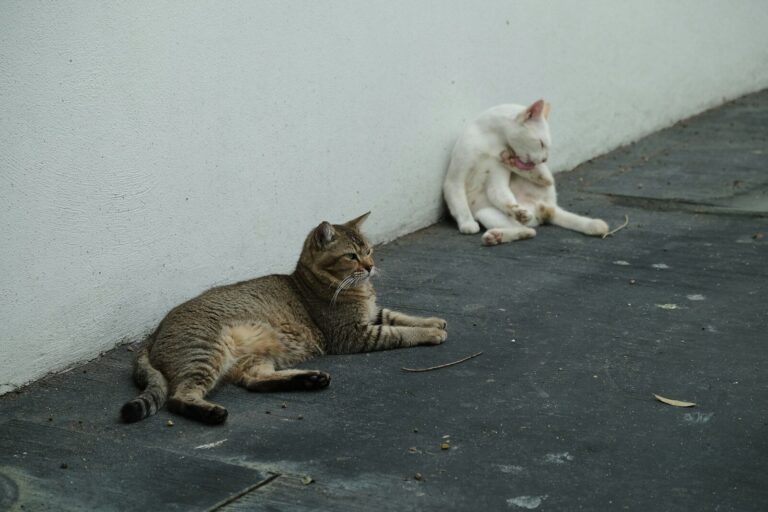
The majority of cats available for adoption are domestic shorthairs, domestic longhairs, or various mixes — cats without defined breed profiles. Individual temperament assessment becomes more important than breed profile here. Spend time with the specific cat you’re considering. Ask shelter staff about behavioral observations. A shelter cat who has been observed for weeks or months by knowledgeable staff has a temperament profile based on actual behavior, not breed statistics.
Many of the most behaviorally well-rounded cats I’ve worked with have been shelter mixed breeds. Genetic diversity often correlates with overall robustness — both physical and behavioral. The cat, not the pedigree, is ultimately what you’re living with.