
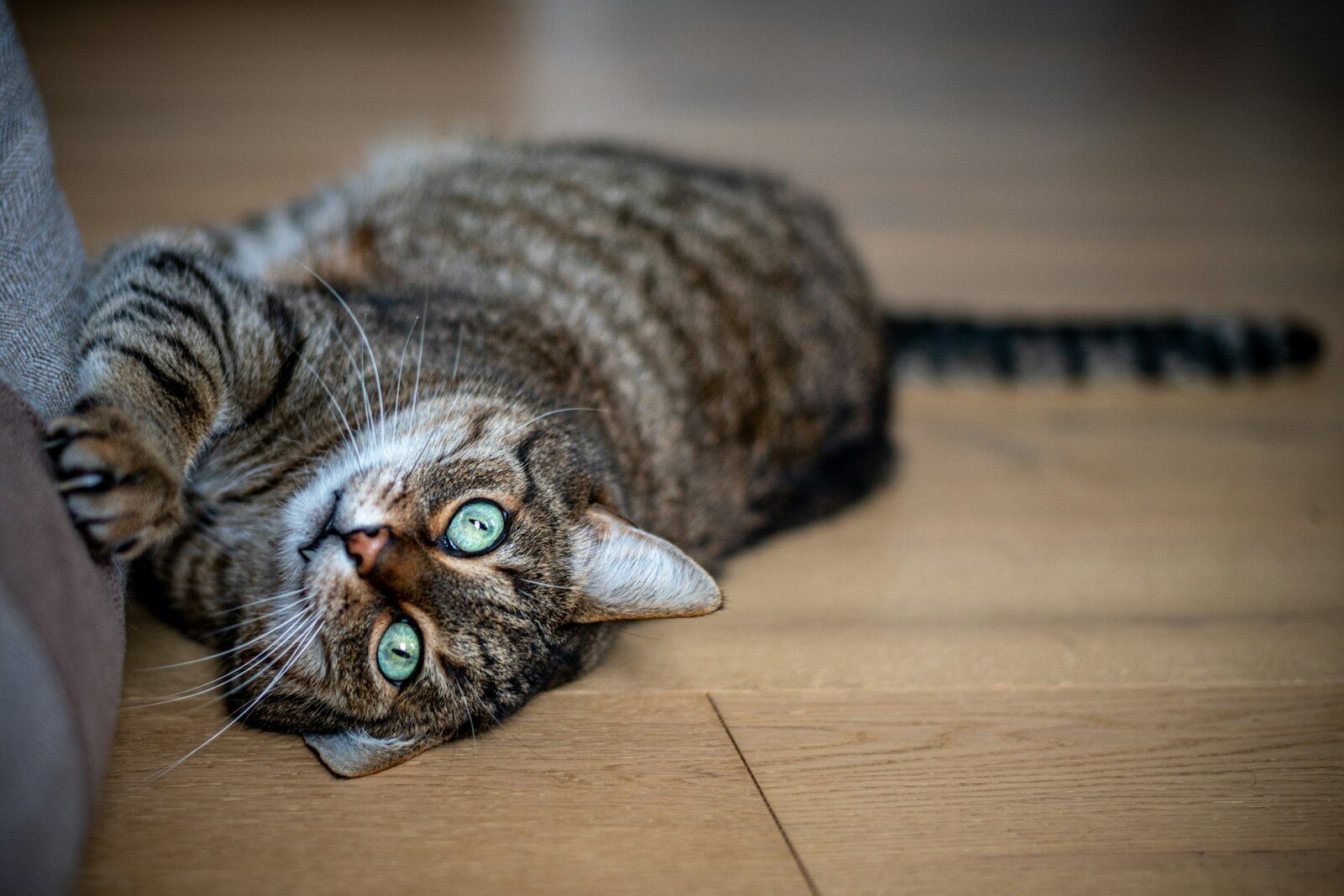
How to Stop Your Cat Scratching Furniture Without Punishment
Scratching is one of the most misunderstood cat behaviors I encounter. Owners come to me having tried sprays, tape, squirt bottles, shouting — and often having seriously considered declawing. Almost always, the problem traces to a fundamental misunderstanding of why cats scratch, which means every solution attempted has been aimed at the wrong target.
Why Cats Scratch: The Biology
Cats scratch for three distinct reasons, and all of them are non-negotiable biological needs:
Nail maintenance: Scratching removes the dead outer sheath of the claw, keeping nails healthy and sharp. It’s as instinctive as grooming.
Scent marking: Scent glands in the paw pads deposit chemical markers on scratched surfaces. Scratching is territorial communication — a visible and scented “I was here” signal for other animals. This is why cats prefer prominent, visible locations. That prized couch in the middle of the living room is, from a territorial standpoint, prime real estate.
Stretching: Watch closely when a cat scratches. They extend their full spine and stretch their back legs and shoulder muscles. Scratching is a full-body stretch that feels genuinely good, which is why cats almost always scratch immediately after waking up.
Why Punishment Doesn’t Solve It
When you spray a cat for scratching the couch, here’s what they actually learn: scratching the couch when you are watching is dangerous. They scratch it when you’re not there. The behavior hasn’t changed. You’ve only added a variable — your presence — to their scratching decisions. I’ve heard “he never does it when we’re home” from dozens of clients. Of course not. He does it when you leave. Nothing has been solved.
Punishment also erodes trust. Over time, a cat who receives unpredictable negative responses from you becomes warier of you generally. You’re not building cooperation — you’re building wariness.
The Two-Part Redirect: Deterrence Plus Attraction
Effective scratch redirection always requires both components. Making the inappropriate surface unappealing AND making an appropriate alternative genuinely appealing. Most people only do one, and wonder why it doesn’t fully work.
Making Furniture Less Appealing
Double-sided tape or purpose-made cat deterrent tape applied to the specific scratched areas works reliably — cats dislike the sticky sensation on their paws. It doesn’t need to cover the whole piece; just the favored spots. Furniture covers change both texture and scent, which can break the habit. Citrus-based deterrent sprays offer some effect but need frequent reapplication.
The Scratching Post Setup That Actually Works
Most people buy a small carpeted post, put it in a spare room, and wonder why their cat ignores it. Here are the non-negotiable requirements:
Height: At least 28 to 32 inches — tall enough for your cat to fully extend while scratching. Most cheap posts are too short. If a cat can’t fully stretch, the post doesn’t serve the stretching function, and they’ll find something that does.
Stability: It must not wobble. A post that moves when a cat scratches it will never be used again. Test it: push on the top firmly. If it moves, reinforce or replace it.
Material: Sisal rope or sisal fabric is the gold standard for most cats. Corrugated cardboard works well as a supplementary horizontal scratcher. Carpet-covered posts can be confusing — why is this carpet okay but the other one isn’t?
Location: This is the most overlooked factor. Place the post immediately next to the furniture being scratched. Not in a back bedroom — right there, in the prominent location. Cats scratch in visible locations for territorial reasons. A post in an inconvenient corner serves no territorial function.
The Introduction
When you introduce a new post, bring your cat to it and gently guide their paws down the sisal — don’t force, just a light suggestion. Place a treat at the base. Sprinkle a little catnip on the sisal if your cat responds to catnip (about 30% of cats don’t respond due to genetics — response is inherited). When they use the post independently, offer praise and a small treat in the moment. Two weeks of consistent reinforcement establishes the habit.
How Many Posts?
One per main living area as a general rule. Multi-floor homes need posts on each level. Multi-cat homes need multiple posts. Cats who prefer horizontal scratching — you’ll observe this — benefit specifically from flat cardboard scratchers placed on the floor.
What About Nail Caps?
Soft vinyl caps glued over the nails prevent damage during the redirect period and need replacement every four to six weeks. Some cats tolerate them well; others spend considerable effort trying to remove them. They’re a bridge tool, not a permanent solution. Combined with proper post training, they can make the transition period much smoother.
Realistic Timeline
If a cat has been scratching the same spot for two years, the habit and the scent marking are deeply established. A complete redirect takes six to eight weeks of consistent work, not three days. But it absolutely works, without punishment and without removing the cat’s claws. The cat still gets to scratch. Your furniture survives. That’s the goal, and it’s entirely achievable.