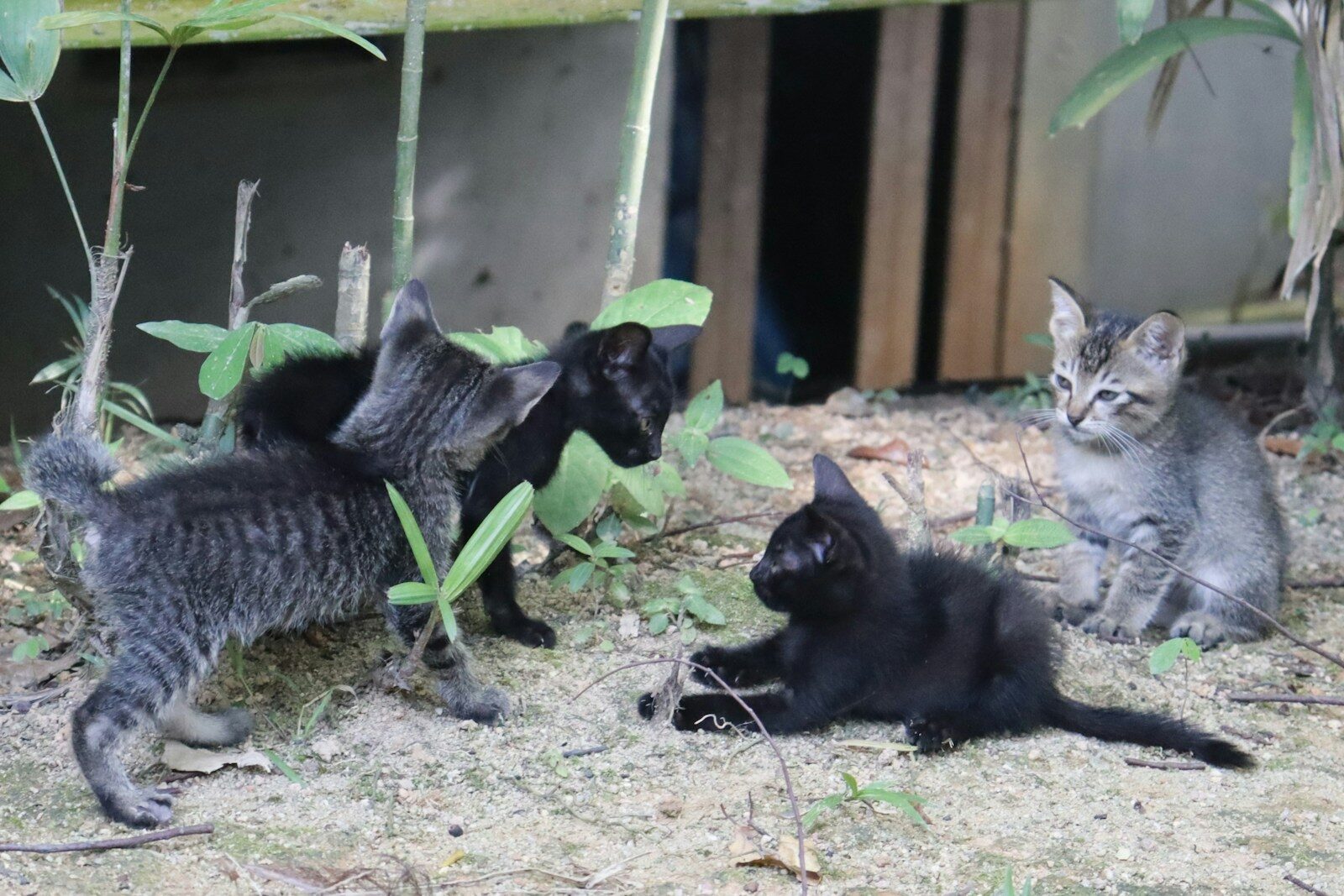
Socializing Kittens: The Critical Window Most Owners Miss
The fearful, reactive, difficult-to-handle cats I work with as adults almost always share the same history: the critical socialization window during kittenhood was missed, inadequate, or actively harmful. Understanding this window and what to do during it is one of the highest-leverage interventions available for a cat’s long-term behavioral health.
The Socialization Window: Two to Twelve Weeks
Between approximately two and twelve weeks of age, kittens are in what researchers call the sensitive period for socialization. During this window, their brains are building the template for “normal” and “safe.” Experiences during this period have a disproportionate influence on lifelong behavioral patterns.
Kittens who receive broad, positive exposure during this window develop large comfort zones. They’re more adaptable, easier to handle, calmer with strangers, more resilient when facing change. Kittens raised with minimal human contact, in isolation, or with frightening experiences develop narrow comfort zones. As adults, they may be fearful, reactive, difficult to examine at the vet, and stressed by any environmental change. These behaviors aren’t personality — they’re the direct neurological result of early experience.
What Good Socialization Looks Like
Human Handling — Early and Varied
From the first two weeks of life, handle kittens gently and daily. Touch their paws, ears, and mouths briefly. Hold them in different positions. Keep sessions short enough that they end before the kitten shows stress. The goal is to build tolerance for the kinds of contact they’ll face throughout their lives: vet exams, grooming, handling by strangers.
Variety of handlers matters. A kitten handled exclusively by one adult woman often becomes comfortable with adult women and nervous around men, children, or anyone with different characteristics. Have different people hold and interact with the kitten — different voices, different sizes, different handling styles.
Sound Exposure
Kittens raised in active, noisy households rarely develop sound sensitivities. If you’re raising kittens in a quiet environment, deliberately introduce recorded sounds — traffic, thunderstorms, children, dogs — at low volume, gradually increasing. This preventative sound desensitization is far easier than treating established noise phobia in an adult cat.
Surface and Texture Exploration
Let kittens explore different surfaces: tile, carpet, wood, grass, plastic. Physical confidence built during this period reduces neophobia — fear of new things — throughout the cat’s life.
Other Animals
If the cat will live with other animals, the socialization window is the optimal time for those introductions, done carefully and positively. A kitten with good early dog or cat experiences integrates into a multi-pet household far more smoothly than an adult being introduced for the first time.
The Mother’s Influence
Kittens learn behavioral templates from their mothers. A calm, human-comfortable mother raises kittens who are more comfortable with humans. A fearful or feral mother raises kittens who start more fearful. When selecting a kitten from a breeder or private litter, observe the mother cat. Her temperament tells you something real about your starting point — and a responsible breeder will welcome the observation.
When the Window Has Closed: Working With Older Cats
After twelve weeks, the window narrows but doesn’t close entirely. Adult socialization requires more time and patience than kitten socialization, but it absolutely works. The approach is systematic desensitization paired with counter-conditioning: controlled, gradual exposure to the feared stimulus — a person, a sound, being touched — at an intensity the cat can tolerate without fear response, paired consistently with something genuinely positive (high-value treats, play).
Progress is measured in weeks and months, not days. A cat who was essentially feral at adoption can, with patient and consistent work, become genuinely affectionate with familiar people. I’ve watched this transformation many times. It requires the human to work at the cat’s pace entirely — never pushing past comfortable boundaries — and to celebrate small victories honestly.
Mistakes to Avoid
Flooding: Forcing a frightened cat to remain in contact with what frightens them until they stop reacting. This does not work with cats — it confirms fear and destroys trust. Always work below the threshold of the fear response, not through it.
Moving Too Fast: Every time a cat is pushed into genuine fear during socialization, you essentially reset progress with that trigger. Conservative pacing produces faster overall results than aggressive pacing that creates setbacks.
Ending on Stress: Always end socialization sessions while the cat is still comfortable. The last memory of the session carries into the next one. End on a positive note, and the cat approaches the next session with less wariness.
The Long-Term Return
A well-socialized cat is easier to live with in every dimension for their entire lifespan. Vet visits are less traumatic for everyone. Houseguests don’t trigger hiding. Environmental changes are manageable. From a welfare perspective, the investment in early and ongoing socialization pays dividends for the cat’s entire life. Few things I do in this work have a higher impact-per-hour return than helping someone get kitten socialization right.